Pink Rose Embroidery Design
As an embroidery designer and product reviewer, I’ve evaluated countless machine embroidery designs. The Pink Rose is one that stands out for its elegance and versatility, but it’s not without its nuances. This review dives into how the design performs in real-world projects, what to watch for, and where it truly shines.
The First Impression: A Timeless Symbol of Elegance
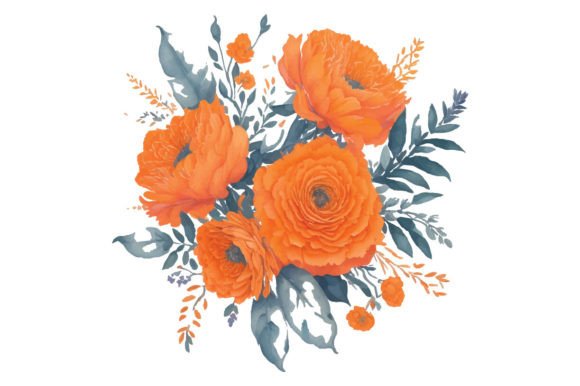
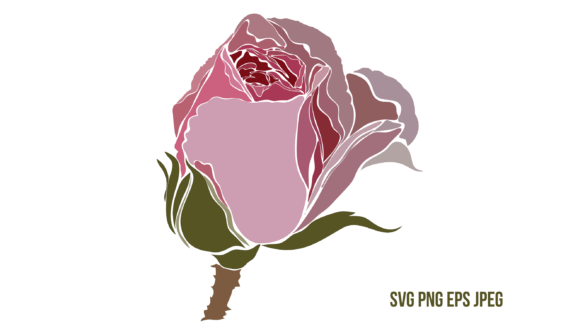
From the moment I opened the Pink Rose embroidery file, I was struck by its refined aesthetic. The silhouette captures the essence of a rose with layers of pink, from soft pastels to deep hues. It feels like a classic illustration, perfect for a range of applications. The layout is balanced, with enough detail to make it visually interesting without being overwhelming. The design has a quiet sophistication that makes it ideal for handmade products, personalized gifts, or boutique merchandise.
It’s clear this is an Illustrations category design, but it also has strong Graphic appeal. The layered petals add depth, and the contrast between light and dark shades gives it a three-dimensional feel. This makes it a great candidate for applique design or satin stitch work, where texture and dimension matter.
Real-World Use Cases: Where Pink Rose Fits Best
Imagine you’re preparing a custom embroidered tote bag for a client who wants something elegant yet understated. The Pink Rose would be a perfect fit. It adds a touch of class without being too flashy, making it suitable for both casual and semi-formal settings. Similarly, if you're working on a sweatshirt or t-shirt design, the Pink Rose could serve as a subtle but meaningful accent.
For baby items, like onesies or blankets, the design offers a gentle, romantic feel. It works well as an embroidered patch, especially for nursery decor or personalized gifts. If you’re an Etsy seller looking for a versatile design to include in your shop, the Pink Rose could be a valuable addition to your digital product listings.
It also has potential for holiday embroidery. Whether it’s for a Christmas gift, a Valentine’s Day card, or a wedding present, the Pink Rose carries a universal sense of beauty and sentimentality.
Performance in Different Embroidery Projects
When testing the Pink Rose on different fabrics, I found that it performs best on medium-weight materials like cotton, canvas, or lightweight denim. On thin or stretchy fabrics, the design can appear slightly distorted, so using a proper stabilizer is essential. For textured fabrics, the design holds up well, though some details may get lost depending on the stitch density.
In terms of stitch density, the design is relatively moderate. It uses a mix of satin stitch and fill stitch, which helps maintain clarity without overloading the machine. However, if you’re working with small hoop sizes, you might need to adjust the design or split it into sections. This is especially important for detailed corners or areas with tight curves.
For commercial embroidery projects, the Pink Rose is a solid choice. It’s clean enough to be used in high-volume production, and its visual appeal adds value to finished products. As a digital embroidery file, it’s likely to be a popular asset for craft businesses and handmade shops.
Where to Be Cautious: Limitations and Considerations
While the Pink Rose is a beautiful design, it’s not ideal for every situation. On dark fabrics, the lighter pink shades may not show up as clearly, so adjusting thread colors or using a contrasting background could help. For small hoop sizes, the design might require reworking to ensure all elements are visible.
If you're planning to use it on curved surfaces like caps or hats, keep in mind that the design’s shape could be affected by the curvature. Testing it on a mockup before committing to a full project is always a good idea. Additionally, if you're working with tiny lettering or intricate details, the Pink Rose may not be the best fit.
For frequent washing, the design holds up reasonably well, but using a high-quality stabilizer and proper stitching techniques will ensure longevity. Always check the licensing terms before selling finished items or digital products, even if the design appears to be free-to-use.
Design Notes for Embroidery Professionals
Before finalizing any project with the Pink Rose, I recommend testing it on scrap fabric. This allows you to see how the thread colors interact with the material and whether the stitch density is appropriate. If you’re using multiple thread colors, make sure they contrast well and don’t blend together in a way that reduces visibility.
Inspect the design for small details, especially around the edges of the petals. These areas can sometimes be tricky, especially on stretchy or thin fabrics. Using a printable mockup can help you visualize how the design will look on different backgrounds, such as light or dark clothing.
For personal or commercial projects, always confirm that the design is licensed for your intended use. If you’re creating a handmade product, the Pink Rose can elevate the quality and presentation, making it more appealing to customers. It’s also a great way to build brand consistency across different items.
Final Thoughts: A Versatile and Elegant Choice
The Pink Rose is a design that balances beauty with practicality. It’s suited for a wide range of embroidery projects, from custom apparel to personalized gifts. Its layered petals and soft color gradients give it a professional look that can enhance any finished product.
As an embroidery designer, I’d recommend this design for those looking to add a touch of elegance to their work. It’s not without its limitations, but with proper preparation and attention to detail, it can be a valuable asset in any creative business. Whether you’re an Etsy seller, a craft fair vendor, or a small shop owner, the Pink Rose offers a unique opportunity to create something both beautiful and meaningful.