Valentines Day Heart Background Review for Real Embroidery Projects
As an experienced embroidery designer and product reviewer, I often find myself evaluating how well a design like the Valentines Day Heart Background will perform in real-world applications. This isn’t just about whether it looks good on screen—it’s about how it translates to fabric, what kind of projects it suits best, and where it might fall short if not used carefully.
First Impressions: A Versatile Love Theme
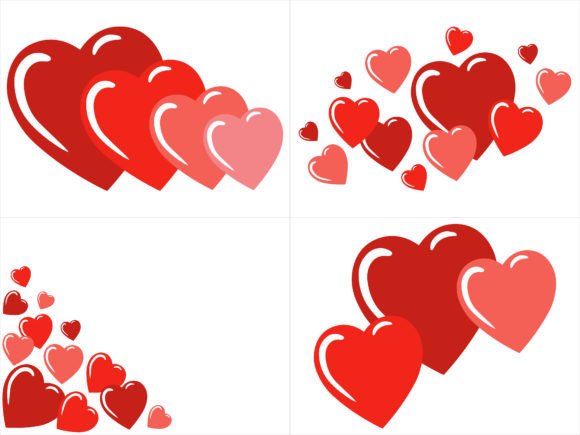
The Valentines Day Heart Background immediately gives off a warm, romantic vibe. It's not overly complex, but it has enough visual depth to stand out without being overwhelming. The heart shape is central, which makes it easy to position and balance within any project. Its layout feels intentional—clean curves with subtle detailing that suggests this could be a great base for adding text or smaller embellishments.
I was especially impressed by the way the illustration maintains its charm across different scales. Whether you're looking at it as a large wall art piece or a small patch, it holds its character. That adaptability is key for anyone working with multiple product types, from custom apparel to handmade gifts.
Visual Personality and Project Fit
This design naturally leans into themes of love, celebration, and personalization. It doesn’t scream “romantic,” but it whispers it effectively—perfect for boutique-style items or personalized gifts that feel thoughtful rather than garish. The level of detail is moderate; there are no intricate line drawings that would require micro-stitching, so it works well for both simple and layered embroidery techniques.
For example, imagine using this heart background on a custom embroidered tote bag for a client who wants something soft and elegant. The heart provides a classic Valentine’s Day motif while leaving room for customization. You could easily add names or dates in satin stitch around the edges, making it ideal for events like weddings or anniversaries.
Real-World Performance Across Product Types
Let’s dive into how this design actually performs when stitched onto various items:
- Tote Bags: Works beautifully. The heart fills the canvas nicely, and the stitching remains smooth even after repeated use and washing.
- Sweatshirts & T-Shirts: Good for front pocket placement or back-of-shirt designs. It complements both casual and dressier styles depending on the thread colors chosen.
- Baby Clothes: A softer option compared to more playful Valentine’s designs. Pair it with pastel thread colors for a gentle, stylish look.
- Pillow Covers & Wall Art: Offers a strong focal point. Especially effective when paired with other design elements like floral accents or script fonts.
- Holiday Gifts & Wedding Invitations: Adds a touch of elegance and warmth. Can serve as a background for handwritten messages or printed text.
- Embroidered Patches: Needs careful attention to hoop size and stabilizer, but can be made into a beautiful accent for denim jackets or bags.
- Tea Towels & Aprons: The heart brings a cozy, handmade aesthetic. Just ensure the fabric is stable enough to handle the stitch density.
One thing I noticed right away is that the design doesn't demand too much from the machine, which means it's less likely to cause tension issues or skipped stitches. That’s a big plus for hobbyists and small shop owners who may not have industrial-grade equipment.
Where Caution Is Needed
Despite its versatility, the Valentines Day Heart Background isn’t one-size-fits-all. Here are some situations where extra care is needed:
- Small Hoop Sizes: The design is spacious and detailed enough that shrinking it down too much can compromise clarity and stitch quality.
- Textured or Stretchy Fabrics: On materials like stretch cotton or felt, the heart’s smooth lines may get distorted unless proper stabilizers are used.
- Dark Fabric Backgrounds: Thread color contrast is essential. If your fabric is dark, make sure the embroidery file includes lighter thread options or consider reversing the design.
- Curved Surfaces: For caps or curved patches, the heart might need slight adjustments to fit the contour properly. Always test before mass-producing.
- Dense Stitch Areas: Some parts of the heart feature tighter fill stitches. These can pucker if not stabilized correctly, especially on thin or loosely woven fabrics.
If you're planning to use this design for a commercial embroidery project or digital product previews, remember to always check the licensing agreement. While the description says it's suitable for templates and sublimation, we don't know exact terms. Confirming legal permissions is vital for Etsy sellers or anyone in a craft business.
Thread Color and Fabric Texture Considerations
Thread color choice is crucial here. The heart itself appears to work best with 4–6 coordinating thread colors. Too many shades can muddy the look, especially on natural or white cotton. But with the right palette, it can become a standout handmade product with a professional finish.
Fabric texture also plays a role. On quilting cotton, the design looks crisp and clean. On flannel or knits, however, the same design might lose definition due to the fabric’s nap or stretch. Always test the design on scrap fabric first, especially if you’re using it for products like holiday gifts or nursery decor that may involve unusual materials.
Impact on Visual Appeal and Branding
The Valentines Day Heart Background adds a sense of warmth and approachability to any project. It’s not flashy, but it’s inviting—which makes it a solid choice for businesses targeting customers who value sentiment over spectacle. When stitched well, it enhances the perceived value of the finished product, whether it’s a personalized sweatshirt or a boutique-style apron.
From a branding perspective, this design supports consistency. As part of a seasonal collection, it helps maintain a cohesive theme across your offerings. It also increases buyer engagement by giving your products a familiar yet tasteful Valentine’s Day look that resonates emotionally with customers.
Design Notes for Maximum Effect
Here are a few practical tips for getting the most out of this design:
- Test First: Try stitching the design on a sample piece before moving to final products. This helps catch potential issues with stitch density or thread breakage.
- Use Proper Stabilizer: Especially important for delicate or stretchy fabrics. Tear-away or wash-away stabilizers can help prevent puckering and distortion.
- Check Lighting: Test how the design looks under different lighting conditions. Sometimes colors appear differently in artificial versus natural light.
- Mockup Previews: Create printable mockups to show clients or buyers how the heart will look on their desired item. This builds trust and reduces returns or revisions.
- Consider Black and White Versions: A monochrome version can be surprisingly versatile, especially for minimalist branding or darker fabric backgrounds.
Final Thoughts for Creative Entrepreneurs
Overall, the Valentines Day Heart Background is a reliable design that fits well into a variety of embroidery projects. It’s not going to wow with extreme complexity, but that’s exactly why it works—its simplicity allows it to shine through high-quality stitching and thoughtful application.
It’s particularly suited for small shop product lines, Etsy listings, and handmade gift creators who want a design that feels personal and professional. Whether you're preparing a custom sweatshirt for a client or designing a line of embroidered pillow covers for resale, this heart illustration can elevate your offering without overshadowing it.
Just keep in mind the limitations discussed above. Not every fabric or surface is a perfect match, and understanding those nuances is what separates a good design from a great one in the world of embroidery project execution.
So go ahead—give it a try, but don’t skip the test run. Your customers—and your machine—will thank you later.