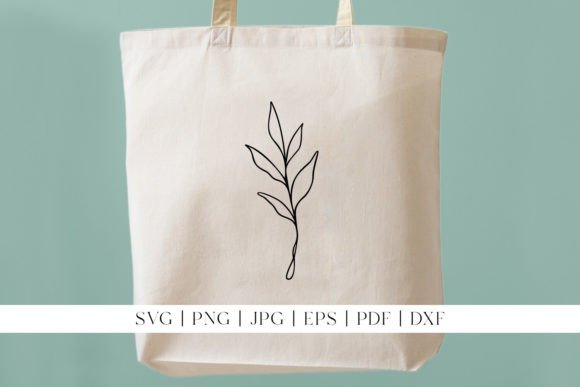
★★★★☆4.3(423 reviews)
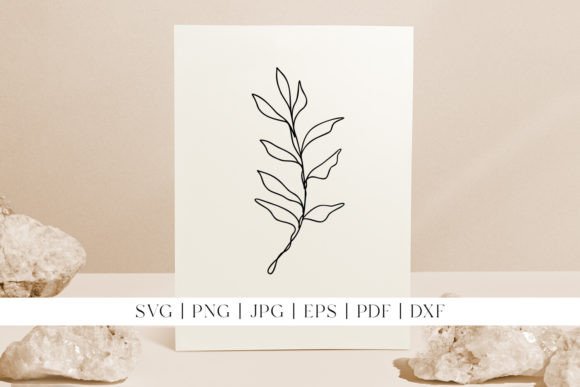
Leaf Line Art Cute Simple Leaves: A Minimalist Embroidery Design Review
Where This Design Shines
- Sweatshirt embroidery: Its soft lines complement the cozy nature of sweatshirts and work well with both light and medium-weight knits.
- Baby clothes and nursery decor: The cute, simple motif is calming and appropriate for young audiences. It doesn’t carry any aggressive or complex details that might overwhelm a baby’s garment.
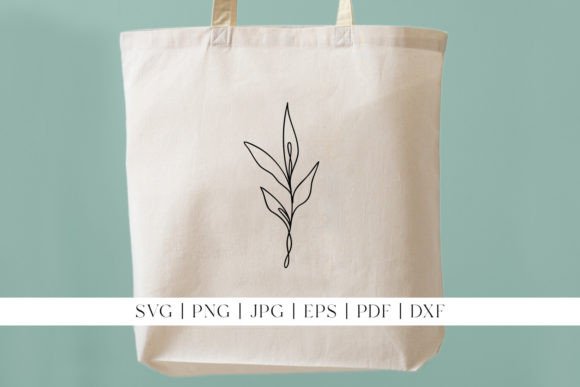
- Custom apparel and tote bag design: The design scales nicely for different placements—centered on the chest of a t-shirt or as a border along a tote handle.
- Embroidered patches and cap designs: When used as a patch or stitched onto a curved surface like a baseball cap, the minimalism helps avoid distortion issues common with more intricate patterns.
- Tea towels and pillow covers: The clean lines translate beautifully into home décor items. They add a touch of elegance without being too fussy.
- Digital embroidery files for printable mockups: As a graphics-based illustration, this design works well for digital product previews. It looks great in both vector and raster formats, making it versatile for marketing materials.
Designs to Handle with Care
If you're working with small hoop sizes, you may need to resize the design carefully. Because the leaves are fairly large in scale, reducing them too much could lose some of their charm and make the lines harder to distinguish. For textured fabrics like denim or flannel, test the design first. The running stitches and fill areas might get lost in the fabric’s grain unless you use a stabilizer that complements the texture. Also, if you're embroidering on stretchy materials such as spandex blends, keep an eye on how the design reacts under tension. While the simplicity helps, proper backing is still essential. Another thing to consider is products that undergo frequent washing. Since this is a line art design, the stitch density isn't overly tight, which means it should hold up well over time. But always do a durability test before going into production—especially if you're selling in bulk or creating items for resale.Practical Notes for Embroidery Designers and Makers
- Test on scrap fabric—especially if you're using a non-standard material or a darker base.
- Check thread color contrast against your chosen fabric. Subtle shades can work, but don’t risk invisibility.
- Review stitch density to ensure it won’t cause puckering or fraying, especially on delicate or stretchy textiles.
- Confirm hoop size requirements. If you’re unsure, look for the recommended maximum and minimum dimensions before starting a commercial run.
- Inspect small details in the design. Even though it's minimalist, tiny leaf veins or connectors can sometimes behave unpredictably on certain machines or stabilizers.
- Use black and white mockups to see how the design would appear in grayscale. This helps determine whether the lines will remain clear without color.
- Compare light and dark fabric backgrounds to assess visibility and adjust accordingly.
- Use proper stabilizer—even for simple designs. It can prevent distortion and enhance stitch quality.
- Check licensing terms if you plan to sell finished products or digital goods. Make sure the design allows for commercial use.
⬇️ Download Free
Free download · No sign-up required
🔗 You Might Also Like
Illustrations
As an experienced embroidery designer and product reviewer, I often find myself ...
Illustrations
First Impressions and Visual Personality The Leaf Line Art Botanical Plant Desig...
Illustrations
First Impressions and Visual Personality When I first opened the Watercolor Oran...
Illustrations
As an experienced embroidery designer and product reviewer, I always look for de...
Illustrations
As a designer who regularly works with embroidery files for custom apparel and h...
