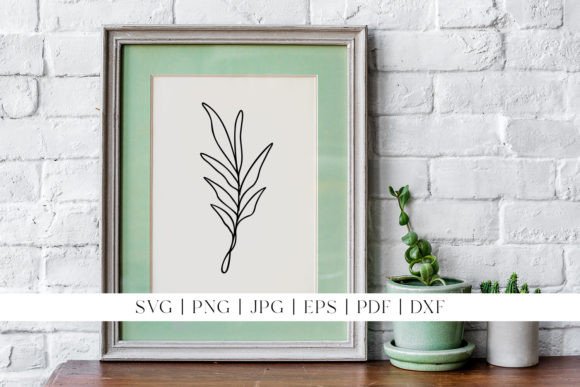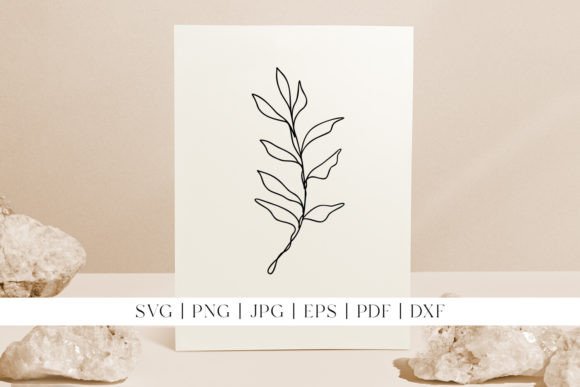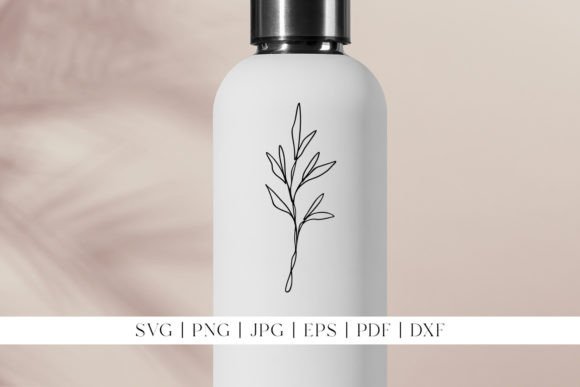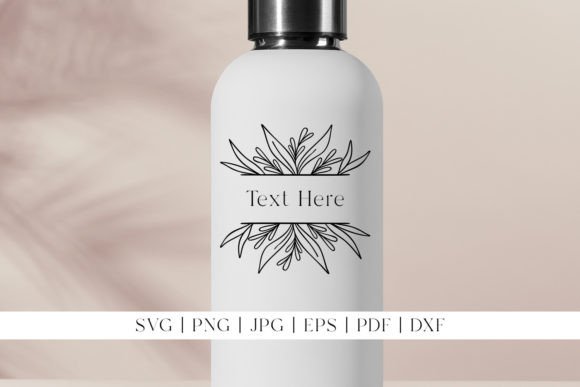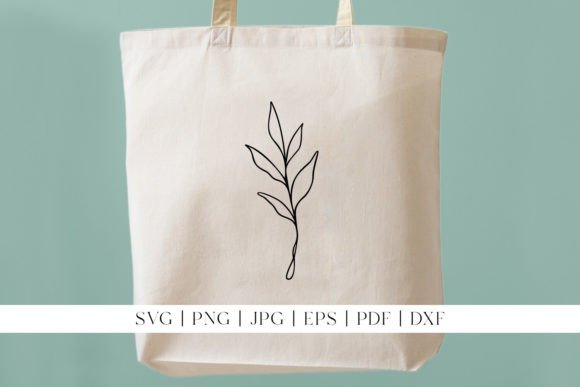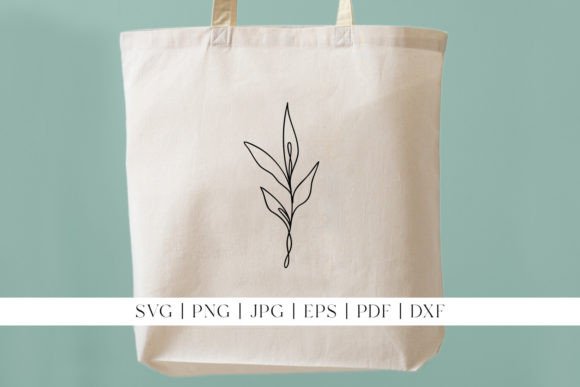
Leafy Line Art Design Botanical Art Review
As a designer who regularly works with embroidery files for custom apparel and handmade products, I always approach new designs with a critical eye. The Leafy Line Art Design Botanical Art caught my attention not just for its aesthetic but for how it translates into real-world applications. It’s an original leafy line art illustration that promises to work across multiple formats — t-shirts, water bottles, mugs, wall art, tote bags, and even tattoos. But does it truly deliver when stitched? Let’s break it down.
First Impressions: A Calm, Modern Botanical Vibe
The first thing that stands out about the Leafy Line Art Design Botanical Art is its simplicity and elegance. This is not a design that shouts; it whispers. With clean lines and a minimalist botanical theme, it evokes a sense of nature without being overly detailed or complex. The layout feels balanced and intentional, which is crucial for any machine embroidery design meant to be used in a variety of contexts.
I can already picture this on a soft linen tote bag — subtle yet expressive, perfect for a boutique or Etsy seller looking to offer something fresh and modern. The visual personality of the design leans towards the serene and artistic, making it ideal for projects where the goal is to create a calming, organic impression rather than bold branding.
Real-Life Embroidery Use Cases
Let’s imagine a scenario: you’re preparing a custom embroidered sweatshirt for a small shop product line. You want something that feels handcrafted but also versatile enough to pair with different colorways and styles. That’s where this design shines.
- Custom Apparel: On cotton or cotton-blend sweatshirts, the design maintains clarity. The running stitch outlines hold up well, especially if you choose thread colors that contrast nicely with the fabric.
- Tote Bags: As a tote bag design, it looks great on both woven and knitted fabrics. Its delicate structure fits well with the casual, reusable vibe of these items.
- Baby Clothes & Nursery Decor: For baby embroidery, the line art style avoids overwhelming visuals while still feeling cute and thoughtful. Just make sure to test stitch density on thin or stretchy materials.
- Holiday Gifts & Personalized Products: The design could easily be adapted into holiday embroidery or personalized gifts like aprons or pillow covers. It adds a touch of class without becoming too festive or busy.
- Commercial Projects: If you're an Etsy seller or craft business owner, this design has potential for commercial embroidery. It’s suitable for digital embroidery files and printable mockups, which makes it easy to showcase in listings or use as part of a cohesive brand identity.
Design Versatility in Action
One of the strengths of this graphics-based design is its adaptability. The line art format means it can be stitched using various techniques like satin stitch for outlines or fill stitch for solid areas. Because it's a clipart-style illustration, it doesn’t require intricate shading or gradients, making it easier to translate across different mediums and file types.
Whether you're creating an embroidered patch for a cap or designing a digital product preview for your next collection, this botanical art illustration brings a consistent, professional look that aligns with current trends in the handmade product space.
Where to Use It Carefully
While the Leafy Line Art Design Botanical Art is undeniably charming, there are situations where it might not perform as expected. Here are a few things to consider before stitching it onto your next project:
- Small Hoop Sizes: The detail level of the design requires a decent hoop size. If you plan to shrink it for smaller embroidery projects, be prepared to lose some of the subtlety in the line work.
- Textured Fabrics: Stitching on canvas or denim may result in a slightly uneven appearance due to the fabric texture. Consider adjusting stitch density or using a heavier stabilizer.
- Thin or Stretchy Fabric: Delicate fabrics like rayon or spandex can distort during stitching, especially if the design contains fine details. Always do a test run on scrap material first.
- Dark Backgrounds: On dark-colored garments or wall art, the line art may appear less vibrant unless you select high-contrast thread colors. Testing on black and white mockups is a smart move here.
- Curved Surfaces: When applied to curved surfaces like caps or mugs, the design’s layout should be adjusted accordingly. Otherwise, the lines may not follow the contours smoothly.
Visual Appeal vs. Practicality
Embroidery isn’t just about making something pretty — it’s about ensuring the finished product holds up after repeated use and washing. The Leafy Line Art Design Botanical Art performs admirably in terms of visual appeal, especially on light-colored fabrics. However, its effectiveness depends heavily on the fabric type and the application method.
For example, using it as an applique design on a hoodie might give it more dimension and pop compared to using it purely as a line drawing. That said, keep in mind that dense stitch areas may cause puckering if not properly stabilized. The key is to balance beauty with durability — and this design definitely helps with the former.
Customer Reactions and Market Fit
From a practical standpoint, the Leafy Line Art Design Botanical Art is likely to resonate with customers who appreciate understated, modern aesthetics. It’s not flashy, but it’s far from forgettable. In fact, its simplicity makes it more versatile for different audiences and niches.
- On a sweatshirt, it offers a quiet sophistication that appeals to eco-conscious shoppers or those who prefer minimalist fashion.
- Used on a kitchen towel, it brings a soft, natural element into home décor without clashing with other patterns.
- As a personalized gift, such as a holiday embroidery piece, it adds charm and uniqueness, enhancing the perceived value of the item.
- In a small shop product lineup, it supports brand consistency by offering a cohesive design language across all merchandise.
What I love most is how it subtly elevates a handmade product. It doesn’t scream “embroidered,” but it clearly shows care and creativity in the presentation — which builds customer trust and increases buyer engagement.
Designer Notes for Optimal Use
If you're planning to use this design in your own embroidery project or digital product offerings, here are some practical tips:
- Test First: Always stitch the design on a scrap of the same fabric you’ll be using for the final product. This helps catch issues with tension or distortion early.
- Thread Color Contrast: Choose thread colors that stand out against your fabric. On lighter backgrounds, pastel shades can work, but on darker ones, go bold.
- Stabilizer Matters: Depending on the fabric texture, you may need a cutaway or tear-away stabilizer to prevent puckering or stretching during stitching.
- Review Stitch Density: Adjust stitch density if needed, especially if you're working with stretchy or thin materials. Too tight, and the fabric will pucker; too loose, and the lines may not hold their shape.
- Confirm Licensing: Since this is a digital embroidery file intended for a range of uses, double-check the licensing terms before selling finished products or using them in commercial settings.
Final Thoughts on Leafy Line Art Design Botanical Art
After testing the Leafy Line Art Design Botanical Art in several real-life scenarios, I feel confident recommending it for many embroidery projects. It’s a well-crafted illustration that balances minimalism with meaningful design. What it lacks in complexity, it makes up for in charm and adaptability.
However, it’s not a one-size-fits-all solution. Pay attention to fabric choices, hoop sizes, and stitch adjustments to ensure the best results. Whether you're a hobbyist crafting a personalized gift or a small shop product creator building your brand, this design can add a touch of nature-inspired elegance to your work.
Use it wisely, test thoroughly, and you'll find it’s a valuable addition to your design assets — especially when you're aiming for something that feels handmade but remains polished and professional.