Easter Frame Rabbit Background
As an embroidery designer and product reviewer, I often find myself evaluating digital files for real-world use. The Easter Frame Rabbit Background is one such design that promises a festive touch for a variety of projects. But what does it actually look like when stitched out? How does it perform on different fabrics and in various applications? Let’s break it down.
First Impressions: A Festive, Versatile Design
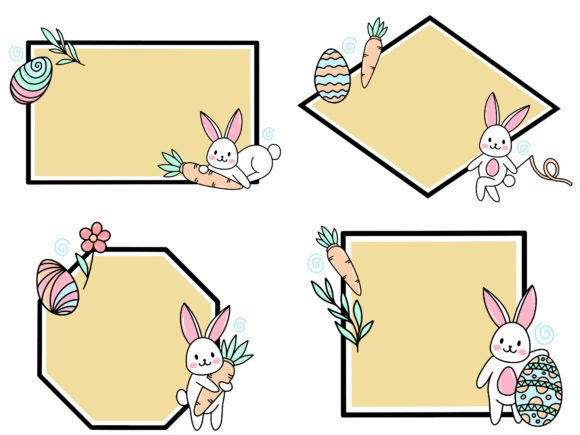
The Easter Frame Rabbit Background immediately evokes a sense of springtime cheer. The design features a classic rabbit sitting inside a decorative frame, surrounded by floral elements and Easter eggs. The overall layout is clean, with a balance between the main subject and background details. It has a soft, hand-drawn aesthetic that feels warm and inviting, making it ideal for handmade products and personalized gifts.
The level of detail is moderate, with enough visual interest to stand out without being overwhelming. This makes it suitable for a range of embroidery projects, from simple t-shirts to more intricate wall art or pillow covers. The theme is clearly Easter-themed, which means it’s best suited for seasonal items rather than year-round use.
Real-World Embroidery Performance
When considering how the Easter Frame Rabbit Background performs in real-life embroidery situations, there are several factors to keep in mind. For custom apparel like sweatshirts or t-shirts, the design works well as a standalone element. However, the stitch density might require some adjustments depending on the fabric type. On lightweight or stretchy materials, it’s important to use the right stabilizer to prevent puckering or distortion.
For tote bags or shopping bags, the design can be a great focal point. The frame structure helps keep the composition centered, which is essential for larger hoop sizes. When used on baby clothes, the design’s gentle lines make it appropriate for nurseries or personalized onesies. However, if you’re planning to embroider this on a cap or hat, the curved surface might challenge the design’s clarity, especially in the corners.
On thicker or textured fabrics, the Easter Frame Rabbit Background holds up reasonably well. But on thin or dark fabrics, the contrast between the design and the background may need careful consideration. Using the right thread colors and ensuring proper lighting during stitching can help maintain visibility and professionalism.
Where to Use With Caution
There are certain scenarios where the Easter Frame Rabbit Background may not perform as expected. If you’re working with small hoop sizes, the design might need to be split into sections, which could complicate the process. Similarly, on stretchy or delicate fabrics, the design’s intricate details may not hold up as well as they would on a sturdier material.
Dense stitch areas, like those found in satin or fill stitches, could cause the design to feel too heavy on certain garments. It’s also worth noting that tiny lettering or decorative accents within the design may not be visible enough on smaller projects. If you're using this as part of a layered garment or a multi-layered embroidery project, you’ll want to test it first to ensure it doesn’t interfere with other elements.
Impact on Visual Appeal and Customer Perception
The Easter Frame Rabbit Background has a strong visual appeal that can elevate the value of any handmade product. Its clear composition and festive theme make it instantly recognizable, which is great for gift-giving or holiday-themed merchandise. When stitched properly, it adds a professional touch that can boost customer trust and satisfaction.
For Etsy sellers or small shop owners, this design can be a valuable addition to your product lineup. It offers versatility across multiple items, from embroidered patches to wall art. However, the success of the design ultimately depends on how well it’s executed in the final product. Poorly stitched or improperly sized designs can lead to buyer dissatisfaction, so attention to detail is key.
When used in printable mockups or digital product previews, the Easter Frame Rabbit Background maintains its charm, making it a solid choice for digital product sellers. It also fits well into brand consistency efforts, especially for businesses that focus on seasonal or holiday-themed items.
Practical Designer Notes
Before using the Easter Frame Rabbit Background in your own projects, here are a few practical tips to consider:
- Test on scrap fabric first to see how the design looks and behaves on different materials.
- Check thread color contrast against the fabric to ensure visibility and cohesion.
- Review stitch density to avoid issues with puckering or excessive bulk.
- Confirm hoop size to ensure the design fits comfortably without requiring splitting.
- Inspect small details like corners and edges for clarity and accuracy.
- Test in black and white mockups to assess how the design translates without color.
- Compare light and dark fabric backgrounds to see how the design adapts.
- Use proper stabilizer for stretchy or delicate fabrics to maintain shape and quality.
- Verify licensing before selling finished items or digital products to avoid legal issues.
By following these steps, you can ensure that the Easter Frame Rabbit Background meets your expectations and delivers a high-quality result for your customers.
Conclusion: A Festive Design with Practical Potential
The Easter Frame Rabbit Background is a versatile and charming design that can work well in a variety of embroidery projects. Its clean layout, moderate detail, and festive theme make it suitable for custom apparel, holiday gifts, and handmade products. While it requires some care in execution, particularly on challenging fabrics or in tight hoop sizes, it has the potential to enhance the visual appeal and marketability of your creations.
Whether you're an embroidery designer, a small business owner, or a craft enthusiast, the Easter Frame Rabbit Background offers a solid foundation for seasonal projects. Just remember to test, adjust, and adapt it to your specific needs—because the best designs are those that translate well from screen to stitch.