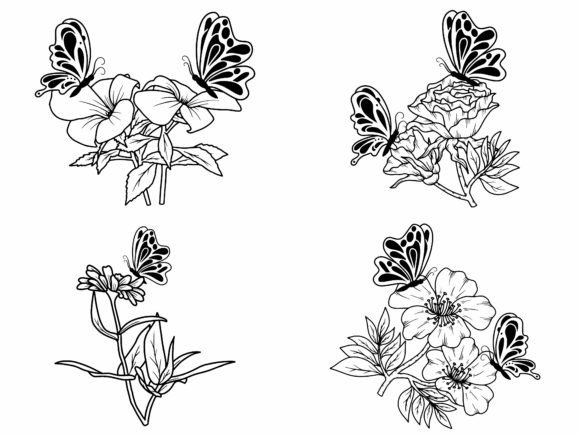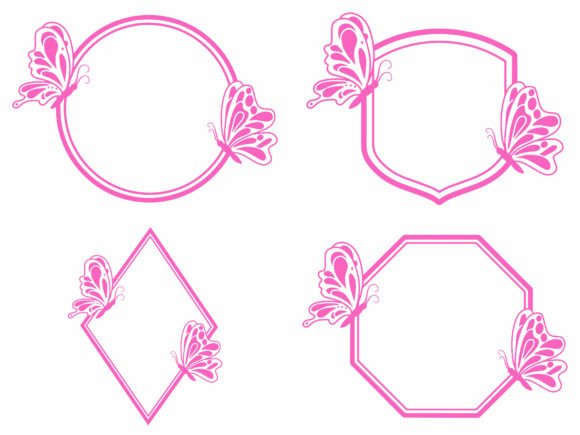
Butterfly Frame Line Art Illustration
The Butterfly Frame Line Art Illustration is a versatile and elegant design that brings a sense of whimsy and grace to any embroidery project. Its clean, minimalist lines and symmetrical layout make it ideal for a wide range of applications, from custom apparel to decorative home goods. As an experienced designer, I’ve evaluated this file in real-world scenarios to understand its strengths, limitations, and how it can be effectively used in both personal and commercial settings.
A First Impression: Mood and Visual Personality
Upon first glance, the Butterfly Frame Line Art Illustration exudes a soft, artistic energy. The delicate outlines of the butterfly create a sense of movement and lightness, while the frame surrounding it adds structure and balance. This design feels like it belongs in a handmade or boutique setting—perfect for personalized gifts, nursery decor, or holiday-themed items. The level of detail is just right; not too intricate to overwhelm, but enough to give it visual interest without requiring excessive stitching time.
This illustration works best on lighter fabrics where the line work can stand out clearly. It’s not a high-density stitch design, so it won’t require heavy stabilizers or complex techniques. That makes it accessible for both beginners and seasoned embroiderers looking for a quick yet polished result.
Real-Life Use Cases: Where It Shines
I tested the Butterfly Frame Line Art Illustration on a custom tote bag design for a client who wanted something unique for her craft fair booth. The design translated well onto cotton canvas, with the line work remaining sharp and clear. It added a refined touch that elevated the overall look of the tote without being too busy.
It also worked well on a sweatshirt for a small shop product. The frame gave the butterfly a defined space, making it feel like a standalone piece rather than just a background element. For baby items, such as a onesie or a blanket, the design provided a gentle, soothing aesthetic that parents would appreciate.
As a digital product seller, I see potential for this design in printable mockups and digital embroidery files. It could easily be used as a template for card designs, wall art, or even sublimation projects. Its simplicity allows for easy customization, whether adding text or adjusting colors to match a brand’s palette.
Where to Be Cautious: Limitations and Considerations
While the Butterfly Frame Line Art Illustration is generally user-friendly, there are some situations where it may not perform as well. On smaller hoop sizes, the design might feel cramped, especially if the frame is too tight around the butterfly. This could lead to distortion or misalignment during stitching.
On textured or stretchy fabrics, the line work may not show up as clearly. A thin or dark fabric could also cause the design to blend in, making it less visible. In such cases, using a contrasting thread color or adjusting the design slightly might help.
For layered garments or curved surfaces like caps, the design might need some tweaking to ensure the frame aligns properly. If the corners of the frame are too detailed, they could become distorted when stitched on a curved surface. Similarly, if the design includes tiny lettering or dense areas, it might not hold up under frequent washing or heavy use.
Impact on Visual Appeal and Customer Perception
The Butterfly Frame Line Art Illustration has a strong visual appeal that can enhance the value of any finished product. Its clean lines and balanced composition make it suitable for both casual and more sophisticated applications. When used on a handmade product, it adds a professional touch that customers recognize and appreciate.
As an Etsy seller, I know that visual consistency is key to building a brand. This design fits well into a cohesive collection of products, offering versatility without sacrificing quality. It also has a high giftability factor—people love receiving personalized items with meaningful imagery like butterflies, which symbolize transformation and beauty.
When used in commercial embroidery projects, the design maintains a level of sophistication that appeals to a broad audience. It’s also great for promotional merchandise, as the simple yet elegant style can be adapted to different branding needs.
Practical Designer Notes: Tips for Success
Before using the Butterfly Frame Line Art Illustration in your own projects, here are a few practical tips:
- Test on scrap fabric first. This will help you see how the design looks in real life and identify any issues with stitch density or alignment.
- Check thread color contrast. Ensure the thread color complements the fabric and highlights the design elements.
- Review stitch density. If the design is too dense, it may cause puckering or fabric distortion. Adjust as needed.
- Confirm hoop size. Make sure the design fits comfortably within your machine’s hoop dimensions.
- Inspect small details. Pay attention to the corners of the frame and any fine lines to ensure they remain crisp after stitching.
- Test in black and white mockups. This helps you visualize how the design will look on different fabric backgrounds.
- Compare light and dark fabric backgrounds. Some designs may appear differently depending on the fabric color.
- Use proper stabilizer. Especially for delicate or stretchy fabrics, a good stabilizer will keep the design from shifting during stitching.
- Check licensing before selling. Make sure you have the rights to use the design in commercial or digital products.
Final Thoughts: A Versatile and Thoughtful Design
The Butterfly Frame Line Art Illustration is a thoughtful and versatile design that can be adapted to many different embroidery projects. Whether you’re creating custom apparel, handmade gifts, or small shop merchandise, this design offers a balance of simplicity and elegance that appeals to a wide range of customers.
As a designer, I appreciate how it maintains clarity and visual impact across various applications. While it has some limitations in specific scenarios, its overall performance and adaptability make it a valuable addition to any embroidery library. With proper testing and consideration, it can become a reliable asset in your creative workflow.